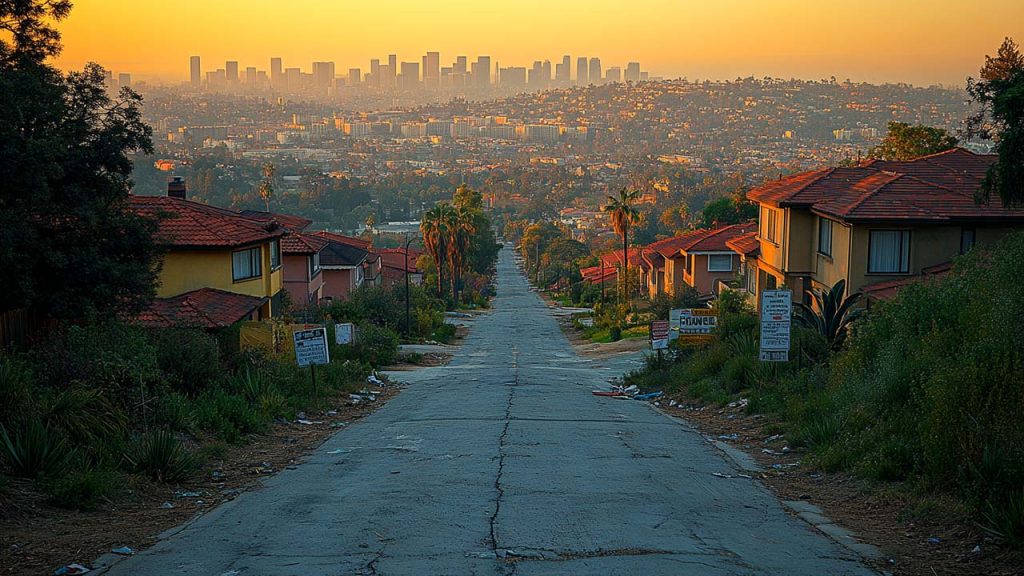
The Democratic Socialist Roots of California’s Housing Crisis
California’s housing shortage did not emerge from free markets failing, but from decades of policy that let neighborhood groups and environmental regulators substitute their preferences for property owners’ rights to build. Discretionary permitting, CEQA lawsuits, and a no-growth ideology born from the 1960s effectively socialized private property, and sky-high home prices in cities like San Francisco are the predictable result.
The following article was originally published by the Mises Institute. The opinions expressed do not necessarily reflect those of Peter Schiff or SchiffGold.
In 2017, Scout Sheys, a resident of Berkeley, California, attended a town council meeting regarding a proposed housing development for a two-story building next to her house. As she spoke, she hoisted a zucchini above her head and waved it for the council to see.
“I brought a zucchini,” she said, “because I love to garden, and in order to garden you need sunlight. The [environmental impact] report says that the shadow impacts have been made nondetrimental because the shadows are cast on my yard, but this zucchini exists because I don’t have a big, two-story house next door.”