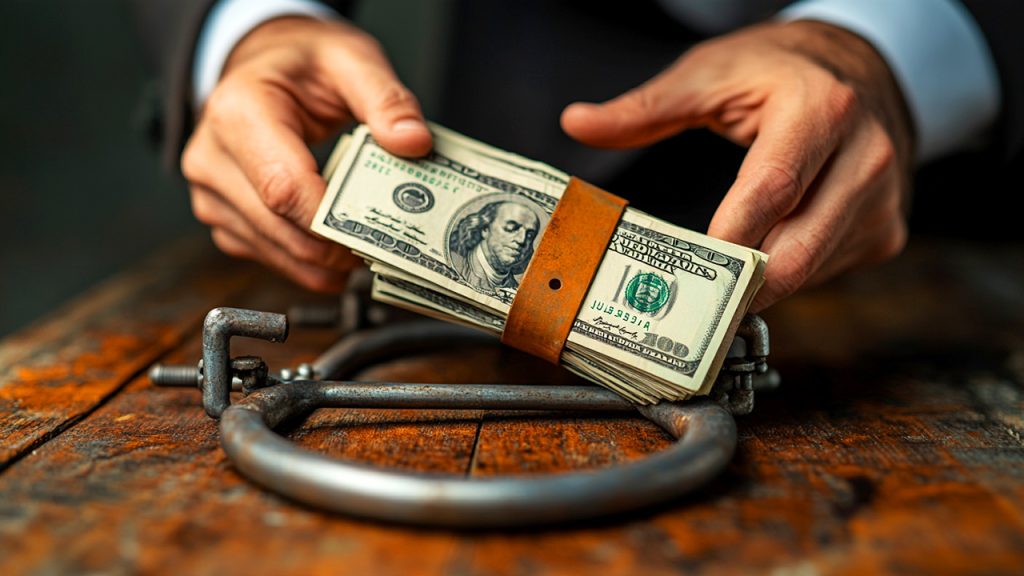
Bernanke Saved the System, Not the Economy
Former Fed Chair Ben Bernanke is celebrated for the unprecedented interventions that supposedly saved the economy from depression after the 2008 financial meltdown, expanding the Fed’s role well beyond its traditional purchase of short-term treasury bills into buying private stocks, mortgage securities, and long-term government debt. Rather than allowing the malinvestments of the housing boom to be liquidated, Bernanke’s Fed propped up assets the market had already declared worthless, setting a precedent for the ever-expanding quantitative easing that later administrations continued and leaving the economy addicted to easy money.
The following article was originally published by the Mises Institute. The opinions expressed do not necessarily reflect those of Peter Schiff or SchiffGold.
As the US economy stumbles through rounds of inflation and self-inflicted crises, a look backward might be appropriate. To those that say we only should look to the future, the Federal Reserve’s history of the last two decades tells us that governmental and monetary authorities will do the wrong thing and make things worse. It is time to scrutinize the past.
In a recent article, I wrote about how the government almost always takes the wrong approach after a recession begins, which extends a recession and makes things worse, especially in the long run. Unfortunately, any politician or government agent (and especially a president) who does not openly intervene in the economy during a recession is accused of following a “do-nothing” strategy, which is tantamount to wanting people to starve to death.