Was Popper Right Fiscally?
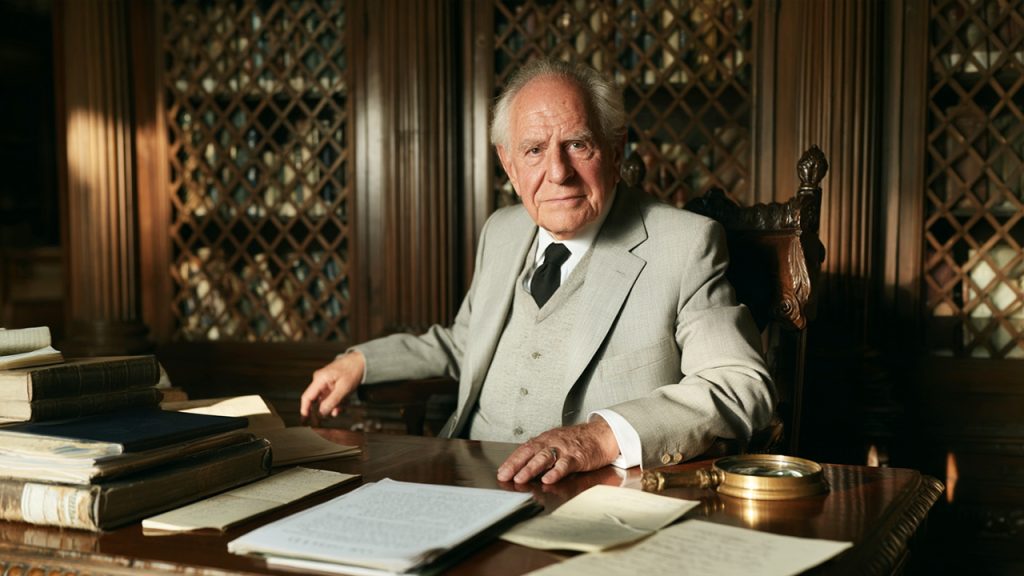
Carl Popper made two claims that are particularly relevant to fiscal policy: something is only a real science if it can be falsified, and a society must be tolerant of a wide range of ideas, as long as those ideas are tolerant of other ideas and will not fundamentally destabilize the nation. Popper was particularly interested in protecting individual freedom and people’s right to be wrong. He believes that the best society was one in which governments and private actors could continually test various hypotheses in order to understand whether they were right. His thought has been weaponized by the left to attack christian and right wing ideologies as a threat to society, and used by the right to argue for the dangers of Islamic immigration. The main theme of his work was never fiscal policy, but some of his concepts indirectly address it. The idea of falsifiability becomes extremely important as the economic modeling done to justify various tax or subsidy policies cannot be conveniently forgotten once the tax is enabled. Popper would have believed that the actual societal and economic effects of every policy should be carefully watched in order to determine whether it was a success or a failure, and allow future legislators to make better choices. The second part of his thought relevant to fiscal policy is his understanding of the allowable diversity of ideas. If some of the citizens hold ideas for government spending and tax policy that will fiscally destabilize our nation beyond what it can bear, should we let them vote? Popper believed that dangerous ideologies didn’t need to be put down by the state when they could be encountered by arguments from the other side. Given our society’s current levels of education and impulse control, there is a slim path that could allow fiscal conservatives to regain the favor of the public. …